
The truth about wildlife selfies
Space and Respect
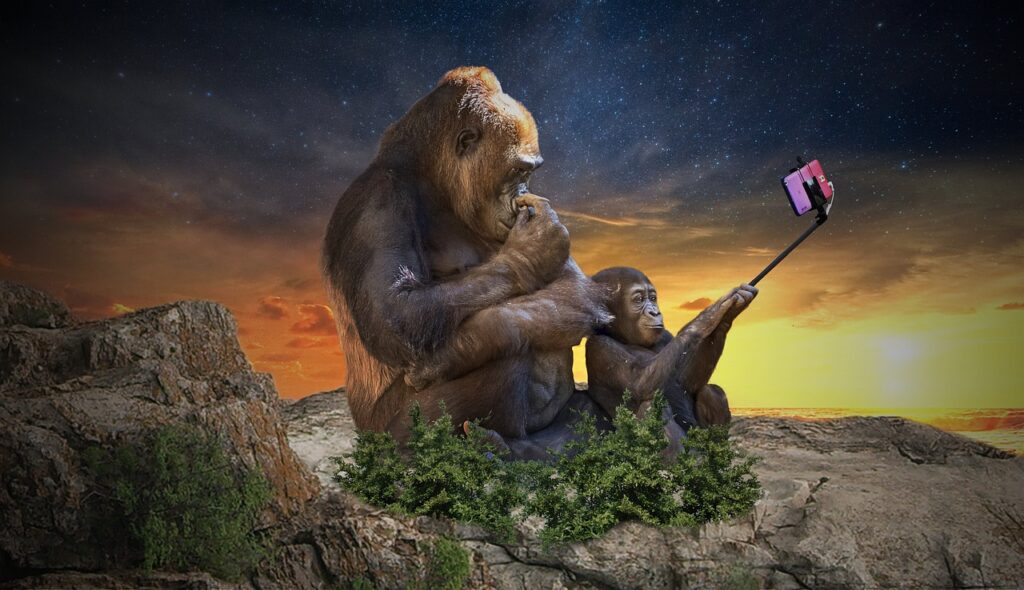
They might look cute on Instagram, but wildlife selfies often hide a darker story. Behind that smiling monkey, sleepy sloth, or friendly tiger is a world of stress, exploitation, and suffering. Animals don’t exist for our photos — and real wildlife encounters should never come at their expense.
In the wild, animals avoid humans. So if one’s close enough to hug, hold, or pose with? That’s not normal — it’s usually forced. Many of these animals are taken from the wild, drugged, tied up, or kept in poor conditions just so tourists can snap a quick pic.
The impact is bigger than it seems:
— Stress and trauma from constant human contact.
— Physical harm from rough handling or flash photography.
— Reinforcement of the idea that wild animals are toys or pets.
— Ongoing demand that fuels illegal wildlife trade.
So what can you do instead?
— Choose to observe animals from a distance in their natural habitat.
— Use your camera to tell a story of respect, not control.
— Share images that inspire protection, not possession.
— Support ethical operators that put animal welfare first.
A real wildlife experience doesn’t need a selfie to be meaningful. In fact, the most powerful moments often happen when the camera’s down — when you’re simply watching, listening, and connecting.
Let’s make photos that protect nature, not harm it. Because no memory is worth more than an animal’s freedom.
In the wild, animals avoid humans. So if one’s close enough to hug, hold, or pose with? That’s not normal — it’s usually forced. Many of these animals are taken from the wild, drugged, tied up, or kept in poor conditions just so tourists can snap a quick pic.
The impact is bigger than it seems:
— Stress and trauma from constant human contact.
— Physical harm from rough handling or flash photography.
— Reinforcement of the idea that wild animals are toys or pets.
— Ongoing demand that fuels illegal wildlife trade.
So what can you do instead?
— Choose to observe animals from a distance in their natural habitat.
— Use your camera to tell a story of respect, not control.
— Share images that inspire protection, not possession.
— Support ethical operators that put animal welfare first.
A real wildlife experience doesn’t need a selfie to be meaningful. In fact, the most powerful moments often happen when the camera’s down — when you’re simply watching, listening, and connecting.
Let’s make photos that protect nature, not harm it. Because no memory is worth more than an animal’s freedom.