
Scotland
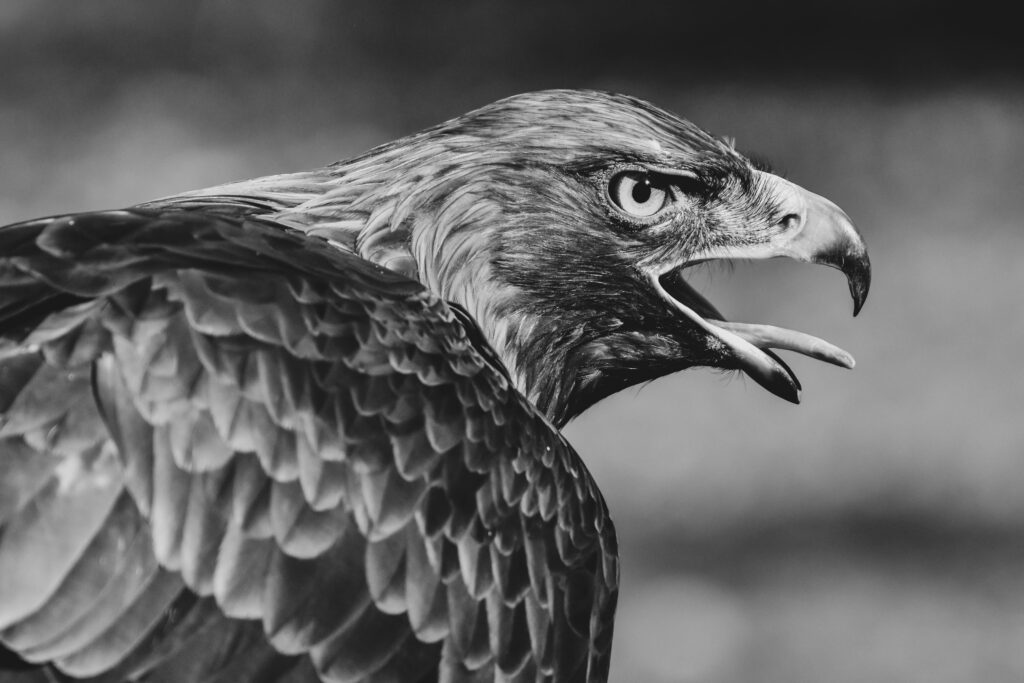
Beautiful Eagle
Scotland’s wildness isn’t loud — it’s something you feel. It rolls in with the fog, glints off antlers at dusk, and echoes in the cry of an eagle across a glen. Here, nature moves slowly, deliberately. The wildlife doesn’t perform — it lives. And if you match its pace, Scotland opens up like a story passed down through generations.
Land of Lost Legends (and Returning Life)
For centuries, Scotland’s forests were felled, its predators hunted, and its wild places tamed. But now, something ancient is stirring again. Trees are returning to glens. Deer roam freely across moor and mountain. And conversations about reintroducing lynx and even wolves are no longer fantasy — they’re becoming part of the future. Scotland is writing a new chapter of coexistence, not by recreating the past, but by rewilding its present.
Where the Wild Still Whispers
Encounters That Stay With You
A stag staring from the shadows. An otter slipping beneath the tide. A pine marten pausing on a trail after dark. In Scotland, wildlife moments don’t scream for your attention — they reward your stillness. These aren’t just sightings. They’re encounters that feel personal. And sometimes, mythical.
Rewilding: A New Future Rooted in the Old
Scotland is one of the leading voices in Europe’s rewilding movement. Organizations like Trees for Life and SCOTLAND: The Big Picture are restoring forests, reintroducing species, and working with communities to bring wildness back — not just for tourists, but for the land itself. Beavers are back. Sea eagles are thriving. And with each step, the land grows wilder again.
The Mood of the Land
Scotland’s weather and terrain shape its wildlife — and your experience of it. Rain doesn’t stop the wild. Wind carries wings and scent. Fog cloaks valleys in mystery. Some of the best sightings happen in the worst weather. You come prepared, and the wild rewards you — sometimes in silence, sometimes in spectacle.
If You Go…
Final Thoughts
Scotland doesn’t offer a checklist of wildlife. It offers presence. It teaches you to notice the subtle. To stay quiet. To walk lightly. And when it shares something — a stare from a wildcat, the brush of wings above mist — you carry it with you, long after the path ends. This isn’t just nature. It’s memory, myth, and wildness still breathing in the bones of the land.
Land of Lost Legends (and Returning Life)
For centuries, Scotland’s forests were felled, its predators hunted, and its wild places tamed. But now, something ancient is stirring again. Trees are returning to glens. Deer roam freely across moor and mountain. And conversations about reintroducing lynx and even wolves are no longer fantasy — they’re becoming part of the future. Scotland is writing a new chapter of coexistence, not by recreating the past, but by rewilding its present.
Where the Wild Still Whispers
- In the Pines: The Caledonian Forest — a living relic of ancient woodland — shelters red squirrels, pine martens, crested tits, and wildcats. Walking here feels like stepping into a quieter time.
- Across the Moors: Red deer move like ghosts through heather. Mountain hares change with the seasons. On wind-bitten ridges, golden eagles circle without a sound.
- Along the Coasts: Otters fish in seaweed beds. Seals sprawl on beaches. In summer, puffins nest on cliffs, and dolphins leap beside boats in the Moray Firth.
- Over the Isles: The Hebrides and Mull hold sea eagles, corncrakes, and rare orchids — places where time bends and wildlife still moves at its own rhythm.
Encounters That Stay With You
A stag staring from the shadows. An otter slipping beneath the tide. A pine marten pausing on a trail after dark. In Scotland, wildlife moments don’t scream for your attention — they reward your stillness. These aren’t just sightings. They’re encounters that feel personal. And sometimes, mythical.
Rewilding: A New Future Rooted in the Old
Scotland is one of the leading voices in Europe’s rewilding movement. Organizations like Trees for Life and SCOTLAND: The Big Picture are restoring forests, reintroducing species, and working with communities to bring wildness back — not just for tourists, but for the land itself. Beavers are back. Sea eagles are thriving. And with each step, the land grows wilder again.
The Mood of the Land
Scotland’s weather and terrain shape its wildlife — and your experience of it. Rain doesn’t stop the wild. Wind carries wings and scent. Fog cloaks valleys in mystery. Some of the best sightings happen in the worst weather. You come prepared, and the wild rewards you — sometimes in silence, sometimes in spectacle.
If You Go…
- Best times: April–June for birds, otters, and wildflowers. September–October for red deer rutting season. Winter for white-coated hares and clear views.
- Where to base: Cairngorms for forest species. Mull for sea eagles and otters. Moray Firth for dolphins. Knoydart or Assynt for solitude and red deer.
- What to pack: Patience, layers, binoculars — and a willingness to go slow.
Final Thoughts
Scotland doesn’t offer a checklist of wildlife. It offers presence. It teaches you to notice the subtle. To stay quiet. To walk lightly. And when it shares something — a stare from a wildcat, the brush of wings above mist — you carry it with you, long after the path ends. This isn’t just nature. It’s memory, myth, and wildness still breathing in the bones of the land.