
Nepal
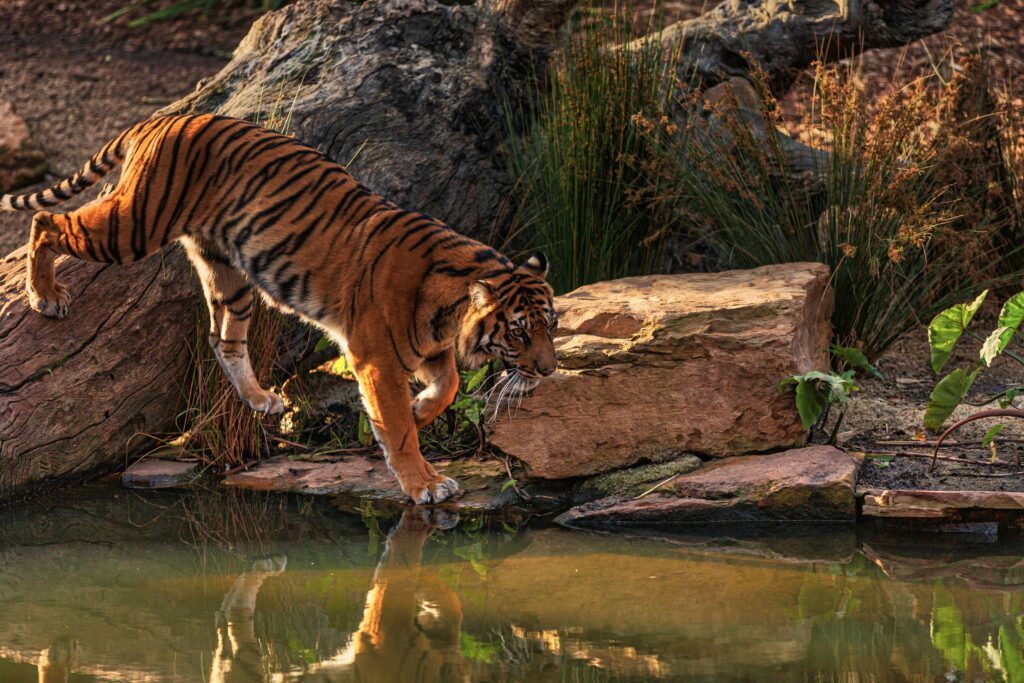
Thirsty Tiger
Nepal is a land of contrasts — from the steamy lowland jungles of the Terai to the snow-draped silence of the Himalayas. In a country best known for Everest and epic treks, the wildlife often gets overlooked. But look closer, and you’ll find rhinos grazing in river meadows, red pandas slipping through mossy branches, and maybe even a snow leopard leaving its ghostlike trail in the snow. Nepal is not just a mountain playground — it’s a wild sanctuary brimming with life.
What Makes Nepal Special?
Nepal squeezes tropical, temperate, and alpine ecosystems into one narrow stretch of land — which means an incredible range of species in a very short distance. Where else can you go from Bengal tigers and one-horned rhinos to Himalayan tahrs and snow leopards within a few days’ travel? Wildlife here is wild in the truest sense — less commercialized, more mysterious, and full of surprises for those who are patient.
Top Wildlife Experiences in Nepal:
Wildlife Behaviors You’ll Notice Here:
Nepal’s wildlife is often shy and secretive — which makes spotting them even more rewarding. In Chitwan, rhinos might calmly graze along riverbanks while a kingfisher flashes by overhead. In the hills, monkeys chatter in trees above trekking paths. In the far north, signs of snow leopards — pawprints or scat — tell quiet stories of a predator rarely seen. Patience and silence are your greatest tools here.
Rare and Endemic Species:
Nepal’s blend of ecosystems supports some truly special creatures:
When to Visit for the Best Sightings:
March to May and October to early December are ideal. The jungle parks are dry and animals come to water sources more often. High-altitude wildlife is most active in the spring and fall, before snow blocks access. Monsoons (June to September) make travel tougher and reduce visibility.
Threats and Conservation Challenges:
Nepal is making progress, but challenges remain:
Final Reflections:
Nepal rewards those who take their time. Its wildlife may not always appear on cue — but when it does, it leaves you changed. Watching a rhino in morning mist or spotting a red panda in a quiet forest feels like something ancient and sacred. Come for the mountains, yes — but stay for the stories hidden in the grass, the trees, and the silence.
What Makes Nepal Special?
Nepal squeezes tropical, temperate, and alpine ecosystems into one narrow stretch of land — which means an incredible range of species in a very short distance. Where else can you go from Bengal tigers and one-horned rhinos to Himalayan tahrs and snow leopards within a few days’ travel? Wildlife here is wild in the truest sense — less commercialized, more mysterious, and full of surprises for those who are patient.
Top Wildlife Experiences in Nepal:
- Chitwan National Park: The most famous park in Nepal — home to one-horned rhinoceroses, sloth bears, gharials, deer, and even elusive tigers. Elephant safaris are being replaced by more ethical jeep and walking tours.
- Bardia National Park: Quieter and more remote than Chitwan, with strong tiger and elephant populations. A favorite for serious wildlife lovers and birders.
- Shuklaphanta Wildlife Reserve: A grassland haven in far-west Nepal — ideal for swamp deer, leopards, and birdwatching off the beaten path.
- Langtang & Rara Regions: High-altitude zones where you might encounter red pandas, Himalayan black bears, and musk deer among misty ridges and pine forests.
- Sagarmatha National Park: In the shadow of Everest, this park is home to Himalayan tahrs, snow leopards, and over 200 bird species — including the colorful Himalayan monal, Nepal’s national bird.
Wildlife Behaviors You’ll Notice Here:
Nepal’s wildlife is often shy and secretive — which makes spotting them even more rewarding. In Chitwan, rhinos might calmly graze along riverbanks while a kingfisher flashes by overhead. In the hills, monkeys chatter in trees above trekking paths. In the far north, signs of snow leopards — pawprints or scat — tell quiet stories of a predator rarely seen. Patience and silence are your greatest tools here.
Rare and Endemic Species:
Nepal’s blend of ecosystems supports some truly special creatures:
- One-Horned Rhinoceros: Once nearly extinct, now a conservation success story. Best seen in Chitwan or Bardia.
- Snow Leopard: Incredibly elusive, found in the higher Himalayan zones. Hard to see — but unforgettable if you do.
- Red Panda: Shy, tree-loving, and irresistibly cute. Lives in the temperate forests of eastern Nepal.
- Gharial: A fish-eating crocodile with a long, narrow snout. Found in the rivers of Chitwan and Bardia.
- Himalayan Monal: Nepal’s national bird — vibrant, iridescent, and often spotted in alpine meadows.
When to Visit for the Best Sightings:
March to May and October to early December are ideal. The jungle parks are dry and animals come to water sources more often. High-altitude wildlife is most active in the spring and fall, before snow blocks access. Monsoons (June to September) make travel tougher and reduce visibility.
Threats and Conservation Challenges:
Nepal is making progress, but challenges remain:
- Poaching: Rhinos, tigers, and leopards are still targeted by organized networks, though patrols and local efforts are increasing.
- Habitat loss: Agricultural expansion, overgrazing, and development shrink the buffer zones wildlife depends on.
- Human-wildlife conflict: Tigers and elephants sometimes clash with rural communities — with tragic outcomes.
- Climate change: Altered rainfall and warming temperatures affect both lowland and alpine species, especially those dependent on glaciers or stable forest cover.
Final Reflections:
Nepal rewards those who take their time. Its wildlife may not always appear on cue — but when it does, it leaves you changed. Watching a rhino in morning mist or spotting a red panda in a quiet forest feels like something ancient and sacred. Come for the mountains, yes — but stay for the stories hidden in the grass, the trees, and the silence.